

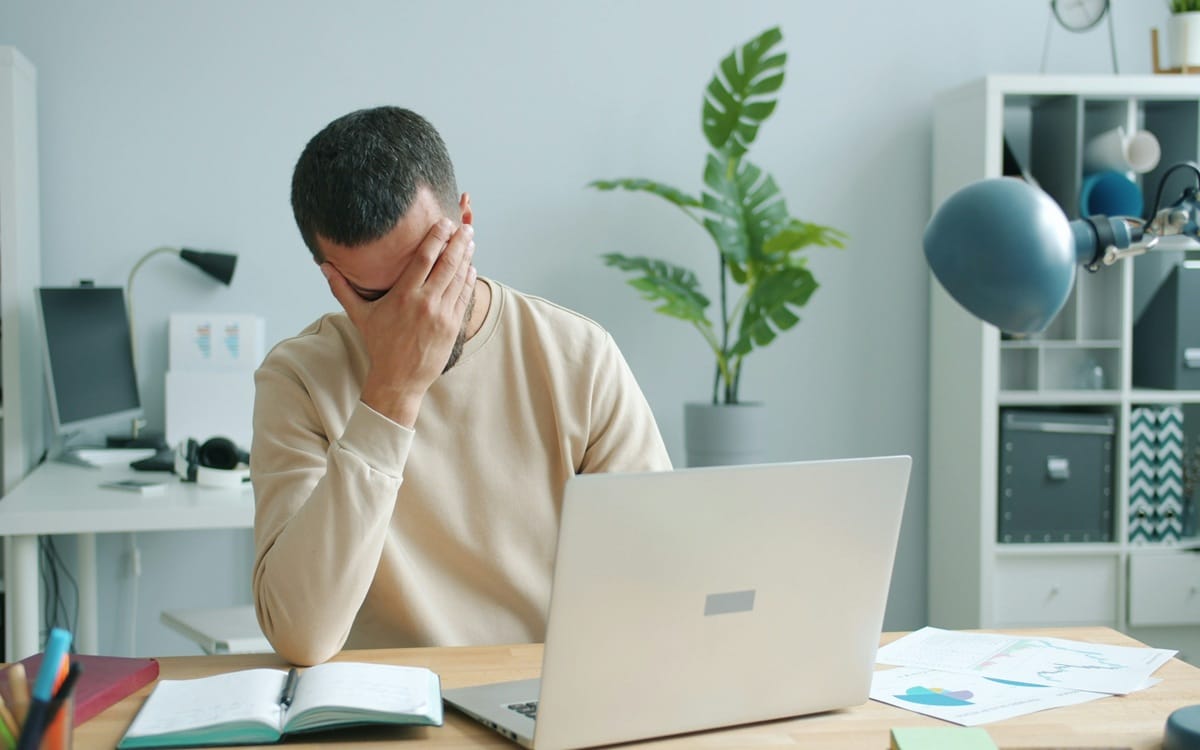
You had that stressful work meeting or situation. It’s over and things have returned to normal.
Then why do you still feel anxious?
It can be frustrating to feel like this when the situation has passed. Your sleep may suffer, you worry more and are on edge about normal everyday scenarios.
It’s because your stress response doesn’t always settle as soon as the stressful event ends. It will depend on how the event has impacted you, what triggers you to think about it and what you are currently going through.
What you’ll learn:
- Why Your Body Can Stay on Alert
- What Lingering Stress Can Look Like
- Why Recovery Takes Different Amounts of Time
- What Can Help You Feel Steadier
- When Professional Support Makes Sense
- Wrapping It Up
Why Your Body Can Stay on Alert
Under stress, your body gets ready to act. Your heart beats faster, your muscles tense and your attention shifts towards possible danger.
Which can be helpful when you need to take action but not so great when you want to chill at home after the stressful event is over.
Often what you see and experience can cause you to feel that way too. Perhaps you had a stressful job that always made you feel as though you would be let go if you did something wrong. If you changed jobs and received a sudden email from your new manager you may feel your stomach drop again.
Nothing was done wrong, but it can make you feel stressed because you had similar feelings when that occurred in the past.
This is similar to when people are left in fear after a traumatic event. Certain cues may cause someone to feel as though they are in danger even if they aren’t. Everyone will react differently to situations that have put them in fear, this does not always classify as a traumatic event.
Consider trauma counselling at Fortitude Wellbeing if you feel that your stress response is taking over. This will allow you to explore your experience and learn techniques to help manage how you feel.
What Lingering Stress Can Look Like
People do not only become fearful after stressful events. There are many other signs that you may overlook.
Here are a few to watch out for:
- Sleep: Difficulty falling asleep, waking up often throughout the night or having nightmares.
- Body: Muscle tension, headaches, increased heart rate when feeling anxious.
- Angry/Irritable: More short tempered or snappier than usual.
- Avoiding certain topics: If something may remind you of a previous incident you may want to avoid discussing that or be around it.
- Concentration: Can not read or complete basic tasks correctly, reading over something many times.
If you only have one night of not sleeping or feeling angry this does not necessarily mean a lasting problem. However, if these changes occur frequently then they could be hindering your life.
There can be different signs, there are also fluctuating periods that you may feel this way. You could go an entire day without having any issues but once you’re at home you may become unsettled. If you notice these symptoms happening more then it may be worth looking at them further.
Of course, there are other reasons that could be causing you to have these symptoms. Speak to your GP to help rule these out.
Why Recovery Takes Different Amounts of Time
Everyone processes events differently. Some may go through a traumatic experience and go back to feeling normal relatively quickly. Others may require assistance to get back to normal.
How you experienced that situation, previous experiences, how much support you have after and current situations you’re dealing with can all have an effect on how long you may take to recover.
As stated above if you left a stressful job, you may still feel stress about your finances and not having a roof over your head. Although you’ve ended the incident you are still facing other stressors.
Similar to how someone only went through that experience once versus if it happened multiple times. Constantly being put in a position where you may be in danger can cause your mind to stay on high alert once things change.
Sometimes these feelings can progress and last a significant amount of time. A 2026 study using Australian survey data collected in 2020 to 2022 reported a 7.1% lifetime PTSD prevalence among adults aged 16 to 85.
Although many will recover from traumatic events some may not. Some of these reactions may occur with PTSD, but they do not by themselves establish a diagnosis.
What Can Help You Feel Steadier
You don’t need to wake up at 5am and run a marathon to recover. These are just tips that can help you in your day to day life.
Have some type of routine. Eat meals, allow yourself time to sleep and do some form of physical activity that you enjoy. There is no need to overdo it, recovery is not another task that you must succeed at.
Allow yourself moments of relaxation. Whether this be slowing your breath down, music, getting outside etc. Do what you feel works for you and stop doing something that doesn’t.
Find people you feel comfortable with. They don’t need to know all the details, they can just be there for you. Walk around, assist with a task etc.
Identify what triggers you. If you know that a certain thing may cause you to feel stressed you can be prepared for it when it occurs. You do not have to journal about your emotions and feel bad if you slip up.
Limit the amount of alcohol/drugs you use to help block your mind from thinking about it. It may help in the short term but won’t help you overcome your stress in the long run. You should also try not to avoid all the things that remind you of that incident, as you will start to live your life not allowing yourself to do certain things.
None of this will cure you of stress, these are just helpful things that you can do in your daily life.
When Professional Support Makes Sense
If you’re suffering after a traumatic experience, reach out to your GP or Mental Health Professional. If it has been more than a couple of weeks and it’s hindering your daily life, speak to someone about it. You should look for help sooner if you are having more intense symptoms.
Start with telling them what you are experiencing, whether you are waking up throughout the night, avoiding certain places or become stressed easily. They will be able to evaluate your symptoms and rule out other causes. They can provide you with the appropriate care, this can include counselling and therapy.
If you know someone who is struggling, allow them to speak when they feel comfortable. Be there for them and help them out with everyday life things that may be difficult for them to do at this stage.
Wrapping It Up
After a traumatic incident it’s common to not recover right away. Don’t stress if your body takes longer, but be aware of your symptoms and seek help if they continue to disrupt your life.